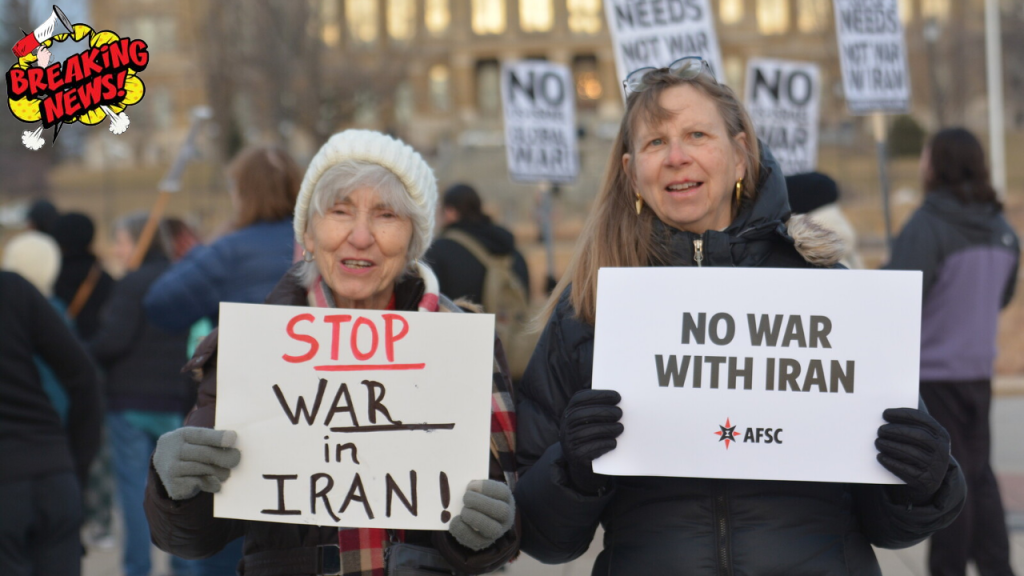
How the Iran War Could Trigger a Global Helium Shortage
The escalating conflict involving Iran has raised concerns across global industries—not only because of oil and gas disruptions, but also due to the potential for a global helium shortage. While helium is widely associated with party balloons, it is actually a critical resource for modern technology, medical equipment, and scientific research.
Experts warn that geopolitical tensions in the Middle East could disrupt helium production and shipping routes, creating ripple effects throughout global supply chains.
Why Helium Is More Important Than Many People Realize
Essential for Technology and Medical Equipment
Helium plays a crucial role in several advanced industries. One of its most important uses is in semiconductor manufacturing, where it helps control heat and maintain stable conditions during chip production. Without helium, many chip fabrication processes would become extremely difficult because there are currently no effective substitutes for the gas.
Beyond electronics, helium is also used in MRI scanners, scientific laboratories, space research, and specialized welding equipment. Because helium is non-reactive and extremely light, it is ideal for cooling sensitive equipment and maintaining stable environments in high-precision technology.
The Middle East’s Critical Role in Helium Production
Qatar Supplies a Large Share of the World
One of the biggest reasons the Iran conflict could affect helium supply is the Middle East’s central role in producing the gas. Qatar alone accounts for roughly one-third of global helium production, making it one of the most important suppliers in the world.
Helium is typically extracted as a byproduct of natural gas processing. If gas facilities in the region stop operating due to attacks, security concerns, or logistical problems, helium production also comes to a halt.
Recent disruptions to energy facilities in the Gulf region have already forced temporary shutdowns of some processing plants, raising concerns about a sudden drop in global helium output.
Shipping Routes Could Make the Situation Worse
The Strait of Hormuz Is a Key Supply Corridor
Another major risk lies in transportation. Much of the helium produced in the Gulf must travel through the Strait of Hormuz, a narrow maritime corridor connecting the Persian Gulf to global markets.
If the conflict disrupts shipping through this route, more than a quarter of the world’s helium supply could become inaccessible to international buyers.
This bottleneck could delay shipments for months and drive prices significantly higher.
Potential Global Impact on Technology Industries
A prolonged helium shortage could create serious challenges for global technology production. Semiconductor manufacturers rely heavily on helium to produce chips used in smartphones, laptops, vehicles, and artificial intelligence systems.
If supplies tighten, companies may face rising production costs and delays in chip manufacturing. In the worst-case scenario, the conflict could trigger supply chain disruptions similar to the global chip shortages seen during recent years.
For now, many technology companies maintain reserves of helium and diversified supply chains. However, if the conflict continues or intensifies, the global helium market could face one of its most serious disruptions in decades.
Previous : Norway’s Crown Princess’s Son Faces Rape Trial in Biggest Scandal